RESEARCH
Grid Limits, Not Tech, Now Cap Truck Charging
Grid capacity, not vehicle technology, is now the main constraint on heavy-duty truck charging buildout, researchers find
15 Mar 2026
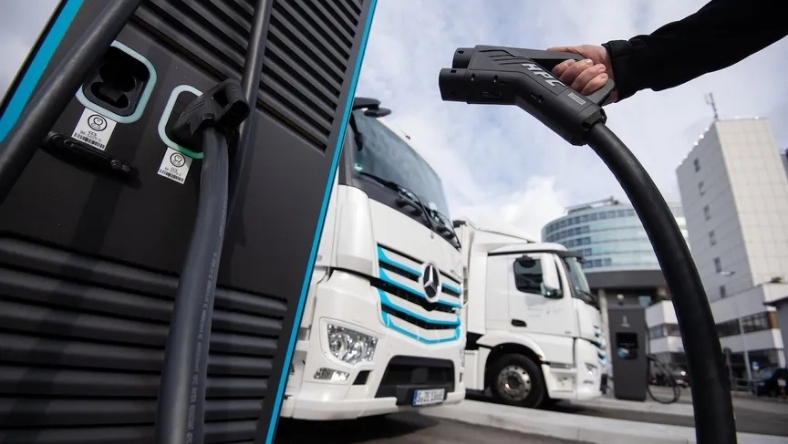
Grid capacity, rather than vehicle technology or charger deployment, has emerged as the primary constraint on heavy-duty truck charging infrastructure in North America. That is the finding of researchers at the Norwegian University of Science and Technology and the Norwegian School of Economics. Their nationwide case study modelled how public charging networks for battery-electric trucks might be built under uncertain freight demand and limited grid capacity. Removing power constraints entirely raised the share of freight demand served by only two percent
Keeping current grid limits in place, however, cut covered demand by 19%, a gap the researchers describe as more significant than previously assumed. Similar pressures are already surfacing in the United States. Utility interconnection timelines and constrained power availability are becoming major obstacles for fleet charging projects nationwide
The implications extend beyond engineering. Grid limitations could push developers toward smaller, distributed charging networks instead of concentrating investment in a handful of high-power hubs. Such a shift would reshape how public charging infrastructure develops across North America as fleets plan for long-haul electric trucking, moving the debate from where chargers should sit to where electricity can actually reach them
Battery ranges, vehicle supply and charging hardware continue to improve. Yet grid capacity and interconnection queues may ultimately decide how fast large-scale freight electrification proceeds. The next constraint on electric trucking, in other words, looks less like a charger problem and more like a power one
SUBSCRIBE FOR UPDATES
By submitting, you agree to receive email communications from the event organizers, including upcoming promotions and discounted tickets, new, and access to related events.